Author: rad_pakistanteam

  • Understanding the Applications and Compatibility of AeroShell Fluid 4 in Aviation Hydraulics

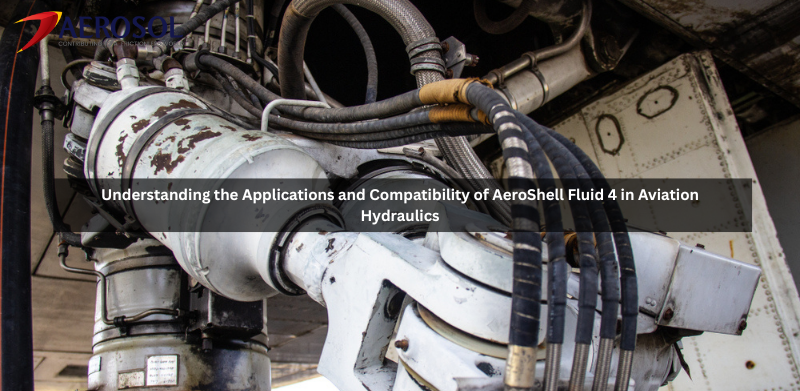
    Understanding the Applications and Compatibility of AeroShell Fluid 4 in Aviation Hydraulics

    AeroShell Fluid 4 in Aviation Hydraulics

    Hydraulic systems are at the heart of aircraft operations. From lowering landing gear to controlling flight surfaces, hydraulics ensure that pilots can manage large forces with precision and ease. For these systems to work effectively, the hydraulic fluid used must meet strict requirements of performance, reliability, and compatibility.

    One fluid that has stood the test of time in aviation is AeroShell Fluid 4, a mineral-based hydraulic fluid trusted across the globe. In this article, we’ll break down where AeroShell Fluid 4 is used, how it performs in hydraulic systems, and why compatibility matters so much in aviation.

    Why Hydraulic Fluids Matter in Aviation

    Hydraulic fluids serve as the lifeblood of an aircraft’s hydraulic system. They are responsible for:

    • Transmitting power: Allowing movement of flight controls, brakes, and landing gear.
    • Lubricating components: Reducing wear and extending service life.
    • Protecting against corrosion: Shielding sensitive metals from rust and damage.
    • Operating across temperatures: Ensuring smooth flow in both hot and cold conditions.

    Choosing the right hydraulic fluid is not optional it is essential for safe and efficient aircraft operation.

    What is AeroShell Fluid 4?

    AeroShell Fluid 4 is a mineral-based hydraulic fluid made with refined mineral oils and special additives. It is designed to work in aviation hydraulic systems that require mineral oils instead of synthetic alternatives.

    Key features include:

    • Oxidation resistance: Prevents breakdown during high-temperature use.
    • Anti-wear protection: Reduces damage to moving parts.
    • Corrosion prevention: Protects internal components from rust.
    • Seal compatibility: Safe with materials used in older aircraft hydraulic systems.

    Because of its balanced performance, AeroShell Fluid 4 is widely used in both civil and military aircraft.

    Applications of AeroShell Fluid 4 in Aviation

    AeroShell Fluid 4 has multiple applications in aviation maintenance, including:

    1. Hydraulic Systems

    It powers critical systems such as:

    • Landing gear retraction and extension
    • Brake systems
    • Flight control actuators

    2. Shock Struts (Oleo Struts)

    It provides damping in shock absorbers, reducing landing impact loads.

    3. Tail Wheel and Nose Wheel Assemblies

    Ensures smooth steering and ground handling.

    4. Hydraulic Accessories

    Used in valves, pumps, and actuators that rely on mineral-based hydraulic fluids.

    Because of its versatility, AeroShell Fluid 4 continues to be a go-to fluid for maintenance teams.

    Compatibility: Why It Matters

    One of the most important aspects of using AeroShell Fluid 4 is its compatibility. In aviation, mixing incompatible fluids can cause serious issues such as:

    • Seal swelling or shrinking
    • Corrosion of metal parts
    • Loss of fluid performance
    • Potential system failure

    Many older aircraft were specifically designed to use mineral-based fluids like AeroShell Fluid 4. Switching to synthetic fluids without confirming compatibility could damage seals and components.

    This is why aviation maintenance manuals often specify AeroShell Fluid 4 as the required hydraulic fluid for certain systems.

    Performance Advantages of AeroShell Fluid 4

    Aircraft operators continue to rely on AeroShell Fluid 4 because it delivers consistent performance benefits:

    • Stable viscosity ensures smooth operation across different temperatures.
    • Oxidation stability prevents sludge and deposit formation.
    • Anti-wear protection keeps hydraulic pumps and actuators working longer.
    • Corrosion resistance maintains system integrity, especially in humid environments.

    These benefits help ensure safety while reducing maintenance costs.

    Best Practices for Using AeroShell Fluid 4

    To get the most from AeroShell Fluid 4, maintenance teams should follow these practices:

    • Check system requirements: Always confirm that the aircraft system is approved for mineral hydraulic fluids.
    • Avoid mixing fluids: Never combine mineral fluids with synthetic types.
    • Maintain cleanliness: Use clean tools and sealed containers to prevent contamination.
    • Regularly monitor fluid condition: Replace fluid if signs of oxidation or contamination appear.

    Following these steps ensures that the fluid continues to perform as intended.

    AeroShell Fluid 4 vs. Synthetic Fluids

    While synthetic hydraulic fluids are used in modern aircraft requiring higher temperature performance, AeroShell Fluid 4 remains vital for many existing fleets because:

    • It is specifically designed for systems built around mineral oils.
    • It offers proven protection and reliability.
    • It is more cost-effective than some synthetic alternatives.

    For aircraft that require it, AeroShell Fluid 4 is not just an option it is the best choice.

    Why Aviation Professionals Trust AeroShell Fluid 4

    The continued use of AeroShell Fluid 4 comes down to trust and performance. It has been part of aviation maintenance for decades, helping ensure safe flights by powering hydraulic systems reliably.

    Its advantages can be summed up as:

    • Compatibility with many aircraft hydraulic systems
    • Proven reliability over decades of use
    • Strong protection against wear, corrosion, and oxidation
    • Availability across global markets

    For operators and maintenance teams, these qualities provide confidence and peace of mind.

    Final Thoughts

    Hydraulic systems are essential to modern aviation, and the choice of fluid directly impacts performance and safety. AeroShell Fluid 4 has earned its reputation as a dependable mineral hydraulic fluid that continues to serve aircraft around the world.

    With its wide range of applications, strong compatibility with older aircraft, and reliable performance characteristics, it remains an important part of aviation maintenance. For systems that require mineral-based fluids, AeroShell Fluid 4 continues to be the right choice—ensuring smooth, safe, and efficient operations.
  • AeroShell Fluid 4: Why This Mineral Hydraulic Fluid Remains a Staple in Aircraft Maintenance

    AeroShell Fluid 4: Why This Mineral Hydraulic Fluid Remains a Staple in Aircraft Maintenance

    AeroShell Fluid 4: Why This Mineral Hydraulic Fluid Remains a Staple in Aircraft Maintenance

    Aircraft systems rely heavily on hydraulic fluids. From landing gear to flight controls, hydraulics play a crucial role in ensuring safe and reliable operation. Without the right fluid, these systems would not perform smoothly or safely. One product that has stood the test of time in aviation is AeroShell Fluid 4, a mineral-based hydraulic fluid widely trusted across the industry.

    In this blog, we’ll explore what AeroShell Fluid 4 is, why it has been a mainstay in aircraft maintenance, and the benefits it offers to aviation professionals.

    The Importance of Hydraulic Fluids in Aviation

    Hydraulic systems power many essential functions in an aircraft, including:

    • Landing gear extension and retraction
    • Brake systems
    • Flight control surfaces
    • Cargo doors and ramps

    For these systems to work correctly, hydraulic fluids must provide:

    • Consistent performance under high pressures
    • Protection against wear and corrosion
    • Stability in a wide range of temperatures
    • Compatibility with system materials

    Using the wrong fluid can lead to poor performance, system damage, or even safety hazards. This is why aviation requires specialized fluids such as AeroShell Fluid 4.

    What is AeroShell Fluid 4?

    AeroShell Fluid 4 is a mineral-based hydraulic fluid formulated specifically for use in aircraft hydraulic systems. It is made with highly refined mineral oils and contains additives that improve its performance.

    Some of its defining features include:

    • Good oxidation stability to resist breakdown at high temperatures
    • Anti-wear properties that protect components under stress
    • Corrosion protection for metal parts
    • Seal compatibility with common materials in hydraulic systems

    It meets strict aviation specifications, which makes it a trusted choice for both civil and military aircraft.

    Why AeroShell Fluid 4 Has Remained a Staple

    Several factors explain why AeroShell Fluid 4 continues to be widely used even as synthetic alternatives become available:

    1. Proven Track Record

    It has been used in aviation for decades, demonstrating reliable performance in countless aircraft worldwide.

    2. Compatibility

    Many older aircraft were designed with mineral-based fluids in mind. AeroShell Fluid 4 remains one of the best matches for these systems.

    3. Wide Range of Applications

    It works in hydraulic systems, shock struts, and other components, making it versatile in aircraft maintenance.

    4. Availability

    As a well-established product, AeroShell Fluid 4 is widely available, ensuring maintenance teams can easily source it.

    5. Cost-Effectiveness

    Compared to some synthetic options, it remains an affordable solution for operators without compromising reliability.

    Applications in Aircraft Maintenance

    AeroShell Fluid 4 is commonly used in:

    • Hydraulic Systems: Ensures smooth operation of brakes, landing gear, and flight controls.
    • Shock Absorbers (Oleo Struts): Provide damping action to absorb landing forces.
    • Tail Wheels and Nose Wheels: Ensure reliable movement and stability.

    Because of its balanced performance, AeroShell Fluid 4 continues to support maintenance needs across a wide range of aircraft types.

    Performance Benefits

    Maintenance teams value AeroShell Fluid 4 for its dependable characteristics:

    • Consistent Viscosity: Maintains proper flow across varying temperatures.
    • Oxidation Resistance: Resists breakdown even under heavy use.
    • Reduced Wear: Protects moving parts, extending their service life.
    • Clean Operation: Minimizes sludge and deposit formation inside hydraulic systems.

    These qualities make it a fluid that ensures both reliability and long-term system protection.

    Safety and Handling

    As with any hydraulic fluid, proper handling is important:

    • Store in sealed containers to prevent contamination.
    • Use clean equipment when transferring fluid.
    • Avoid mixing with fluids of different specifications.
    • Follow disposal guidelines in line with environmental regulations.

    By following best practices, maintenance teams can get the best performance out of AeroShell Fluid 4 while ensuring safety.

    Comparison with Synthetic Fluids

    Some newer aircraft require synthetic hydraulic fluids with higher temperature performance. However, AeroShell Fluid 4 remains widely used because:

    • Many existing aircraft systems were designed for mineral-based fluids.
    • Synthetic fluids are not always compatible with older seals and materials.
    • AeroShell Fluid 4 provides excellent performance in normal operating ranges.

    This explains why, despite technological advances, mineral fluids like AeroShell Fluid 4 continue to have a strong role in aviation.

    Why Aviation Professionals Trust AeroShell Fluid 4

    Reliability is everything in aviation, and AeroShell Fluid 4 delivers:

    • A long history of proven service
    • Compatibility with many aircraft systems
    • Reliable protection for critical components
    • Wide availability for maintenance operations

    These qualities explain why it remains a staple in the hangars and workshops of aviation companies worldwide.

    Final Thoughts

    In aviation, every product used in maintenance must meet the highest standards of safety and reliability. AeroShell Fluid 4 has earned its reputation as a dependable hydraulic fluid that ensures smooth performance, protects components, and supports long-term aircraft operation.

    While newer synthetic fluids have their place, AeroShell Fluid 4 continues to be the trusted choice for many operators, particularly for older aircraft systems. Its proven record, wide compatibility, and consistent performance are why it remains a staple in aviation maintenance today.

  • How Turbonycoil 98 Enhances Performance and Reliability in Turbine Engines

    How Turbonycoil 98 Enhances Performance and Reliability in Turbine Engines

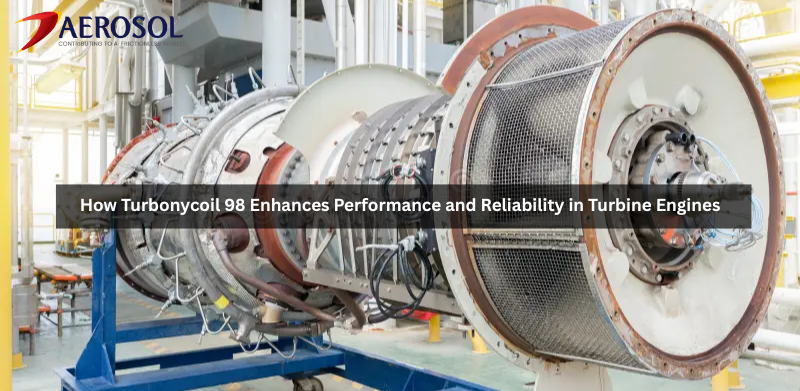
    How Turbonycoil 98 Enhances Performance and Reliability in Turbine Engines

    Turbine engines are at the heart of modern aviation and industrial power systems. They drive aircraft, helicopters, and even some power plants, operating under extreme conditions of heat, pressure, and continuous stress. To keep them running smoothly, they require specialized lubricants that can withstand these challenges. One such lubricant is Turbonycoil 98, a synthetic turbine oil widely trusted in aerospace and industrial applications.

    In this guide, we’ll explore what Turbonycoil 98 is, why it’s used, and how it enhances both performance and reliability in turbine engines.

    What Is Turbonycoil 98?

    Turbonycoil 98 is a synthetic turbine oil formulated to deliver high performance in gas turbine engines. Unlike conventional oils, it is designed to handle extreme heat, resist oxidation, and provide stable lubrication over long periods.

    It belongs to a class of ester-based synthetic oils, which means it is chemically engineered rather than derived only from crude oil. This gives it unique properties that make it suitable for demanding applications where traditional oils would break down too quickly.

    The Role of Lubrication in Turbine Engines

    Turbine engines work at very high speeds and temperatures. Inside, parts are constantly moving under extreme pressure. Without proper lubrication, the engine would suffer from:

    • Increased friction
    • Excessive wear and tear
    • Overheating
    • Formation of harmful deposits

    A high-quality turbine oil like Turbonycoil 98 ensures that every component works efficiently by:

    • Creating a thin protective film to reduce friction
    • Carrying heat away from engine parts
    • Preventing corrosion and rust
    • Reducing buildup of sludge and deposits

    In short, lubrication is what makes turbines reliable and long-lasting.

    Key Properties of Turbonycoil 98

    Turbonycoil 98 stands out because of its unique set of properties:

    1. Thermal Stability – It resists breaking down under extreme heat, which is common in turbine operation.
    2. Oxidation Resistance – Prevents the oil from forming sludge, varnish, or carbon deposits that can harm the engine.
    3. Low Volatility – Minimizes oil loss due to evaporation, even at high temperatures.
    4. High Viscosity Index – Maintains stable flow across a wide temperature range, ensuring reliable lubrication in both hot and cold conditions.
    5. Long Service Life – Designed for extended use, reducing the frequency of oil changes.

    These properties make it highly dependable in the harshest environments.

    How Turbonycoil 98 Enhances Performance

    1. Reduces Friction for Higher Efficiency

    By forming a strong protective film between moving parts, Turbonycoil 98 lowers friction. Reduced friction means less energy is wasted inside the engine, improving overall efficiency and fuel economy.

    2. Prevents Overheating

    Engines that run at high speeds generate enormous heat. Turbonycoil 98 helps absorb and transfer this heat away from critical components, preventing overheating and thermal damage.

    3. Maintains Power Output

    Sludge and deposits can reduce turbine efficiency over time. Since this oil resists oxidation and deposit formation, the engine continues to deliver consistent power without performance drops.

    4. Improves Start-Up in All Climates

    Thanks to its high viscosity index, Turbonycoil 98 flows well in both cold and hot conditions. This ensures a smooth start-up and reliable lubrication in different climates and altitudes.

    How Turbonycoil 98 Improves Reliability

    1. Extends Engine Life

    By minimizing wear and protecting against corrosion, Turbonycoil 98 adds years to the operational life of turbine engines.

    2. Reduces Maintenance Costs

    Since it resists breakdown and contamination, maintenance intervals can be longer. This means fewer oil changes, less downtime, and lower costs.

    3. Protects Against Deposits

    Engines are vulnerable to varnish and carbon deposits that clog parts and reduce performance. Turbonycoil 98’s resistance to oxidation helps prevent these problems.

    4. Trusted for Extreme Conditions

    From high-altitude flights to hot industrial plants, Turbonycoil 98 provides reliable lubrication under the harshest conditions.

    Applications of Turbonycoil 98

    Turbonycoil 98 is used in a wide range of turbine systems, including:

    • Aircraft gas turbine engines – for both commercial and military aviation
    • Helicopter engines – where reliable performance is critical for safety
    • Industrial gas turbines – used in power generation and mechanical drives
    • Auxiliary power units (APUs) – smaller engines that support aircraft systems

    Its versatility makes it one of the most widely applied turbine oils in the aerospace industry.

    Safety and Handling

    Like all specialized oils, Turbonycoil 98 should be handled with care. Proper storage and handling practices ensure it retains its performance qualities:

    • Store in sealed containers away from moisture and direct sunlight.
    • Avoid mixing with other oils unless approved by manufacturers.
    • Use proper filtration systems when transferring oil.

    Why Choosing the Right Turbine Oil Matters

    Not all turbine oils are created equal. Using the wrong oil can lead to:

    • Faster engine wear
    • Reduced efficiency
    • Costly breakdowns and repairs
    • Safety risks in critical applications

    Turbonycoil 98 is specifically formulated to meet aerospace and industrial turbine requirements. Its proven performance makes it a reliable choice for operators who prioritize safety, efficiency, and long-term reliability.

    Final Thoughts

    Turbonycoil 98 is more than just a lubricant it is a performance enhancer and reliability booster for turbine engines. With its thermal stability, oxidation resistance, and long service life, it keeps engines running smoothly even under extreme conditions.

    Reducing friction, preventing deposits, and ensuring consistent lubrication helps turbine engines deliver power and efficiency while lowering maintenance costs. That is why Turbonycoil 98 remains a trusted choice in aviation and industrial turbine applications worldwide.

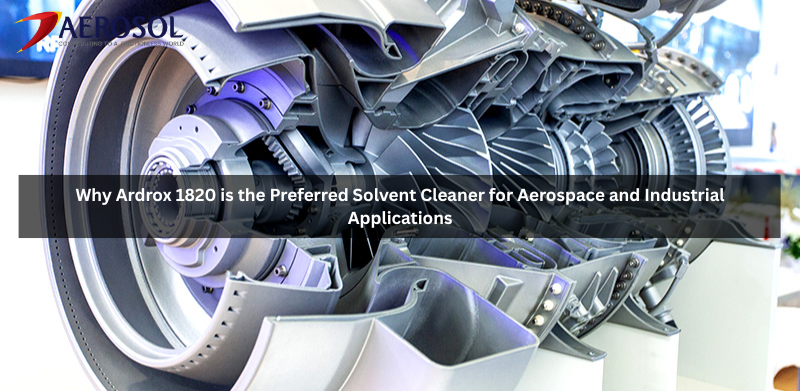
  • Why Ardrox 1820 is the Preferred Solvent Cleaner for Aerospace and Industrial Applications

    Why Ardrox 1820 is the Preferred Solvent Cleaner for Aerospace and Industrial Applications

    Why Ardrox 1820 is the Preferred Solvent Cleaner for Aerospace and Industrial Applications

    Cleaning and maintenance are critical in both the aerospace and industrial sectors. Engines, hydraulic systems, and machinery are exposed to grease, oil, fuel residues, and carbon deposits. If left untreated, these buildups can reduce performance, hide defects, or even lead to costly failures. For this reason, industries rely on specialized cleaning agents that are safe, effective, and reliable.

    One of the most trusted solutions is Ardrox 1820, a solvent-based cleaner widely used in aviation and beyond. But what makes it the preferred choice in such demanding fields? In this article, we’ll explore why Ardrox 1820 stands out and why professionals continue to choose it for critical cleaning tasks.

    What is Ardrox 1820?

    Ardrox 1820 is a solvent-based degreaser and cleaner developed for heavy-duty use. It is specially designed to dissolve and remove:

    • Oils and greases
    • Hydraulic fluids
    • Fuel residues
    • Carbon deposits

    Its formula is tailored to meet the strict requirements of aerospace maintenance but has also found wide use in various industrial sectors.

    Why Cleaning Solutions Matter in Aerospace and Industry

    Unlike everyday cleaning, aerospace and industrial cleaning requires precision and reliability:

    • Safety: Clean components allow for accurate inspection, preventing undetected cracks or leaks.
    • Performance: Removing buildup ensures engines and machinery run smoothly and efficiently.
    • Durability: Regular cleaning prevents corrosion and extends the life of parts.
    • Regulatory Compliance: Aviation and industrial sectors must meet strict cleanliness standards.

    Ordinary cleaners are often too weak, too corrosive, or leave residues. This is where Ardrox 1820 excels.

    Key Benefits of Ardrox 1820

    Several qualities make Ardrox 1820 a preferred cleaner in aerospace and industry:

    1. Strong Cleaning Power

    It quickly dissolves grease, oil, and stubborn carbon deposits, reducing manual scrubbing and saving time.

    2. Non-Corrosive and Safe on Metals

    It is safe for use on materials such as aluminum and steel, which are widely used in aircraft and industrial machinery.

    3. Fast Drying and Residue-Free

    After application, it evaporates quickly without leaving behind a film, ensuring parts are clean for inspection or further use.

    4. Versatile Application Methods

    It can be used by brushing, spraying, or immersion, making it adaptable to different cleaning needs.

    5. Cost and Time Efficiency

    By working quickly and effectively, it reduces downtime in maintenance operations.

    Applications in Aerospace

    In aviation, Ardrox 1820 is trusted for tasks such as:

    • Engine Cleaning: Removing oil and carbon buildup from engine components.
    • Hydraulic Systems: Cleaning away hydraulic fluid leaks without damaging parts.
    • Aircraft Exterior Surfaces: Degreasing panels before inspection or repair.
    • Workshop Maintenance: Cleaning tools, fixtures, and equipment used in maintenance.

    Since aircraft safety depends on clean and defect-free parts, Ardrox 1820 plays a direct role in ensuring reliability.

    Applications in Industry

    Beyond aviation, Ardrox 1820 has proven effective in many industrial sectors:

    • Manufacturing: Keeping machinery clean and free of grease.
    • Marine: Removing oil and carbon buildup from ship engines.
    • Power Generation: Cleaning turbines and heavy-duty equipment.
    • Automotive and Rail: Degreasing engines and mechanical components.

    Its versatility means industries with tough cleaning challenges can rely on the same product trusted in aerospace.

    How Ardrox 1820 Improves Efficiency

    Efficiency is one of the main reasons Ardrox 1820 is preferred. Here’s how it helps:

    • Speeds Up Cleaning: Reduces the need for manual scrubbing.
    • Reduces Downtime: Fast action means machines and aircraft can return to service quickly.
    • Improves Accuracy: A clean, residue-free surface allows for proper inspection.
    • Extends Component Life: Prevents long-term damage caused by dirt and deposits.

    This balance of speed, safety, and effectiveness is hard to find in other cleaners.

    Comparing Ardrox 1820 to Traditional Cleaning Methods

    Before solutions like Ardrox 1820, industries relied on methods such as:

    • Soap and water (ineffective on oils and carbon)
    • Harsh solvents (risk of corrosion or harmful residue)
    • Manual scrubbing (labor-intensive and time-consuming)

    Ardrox 1820 provides the best of both worlds: strong enough to clean heavy deposits, yet safe and residue-free.

    Safety and Handling

    As a solvent-based product, proper safety measures should be followed when using Ardrox 1820:

    • Work in a ventilated area.
    • Wear protective gloves and eyewear.
    • Store properly in sealed containers.
    • Follow disposal regulations.

    These precautions help protect users while ensuring maximum performance.

    Why Professionals Prefer Ardrox 1820

    The trust placed in Ardrox 1820 comes from its consistent performance across critical industries. Maintenance teams prefer it because:

    • It cleans faster and more thoroughly than alternatives.
    • It is safe on the metals used in high-value equipment.
    • It reduces downtime, saving both time and money.
    • It supports accurate inspections, which are vital for safety.

    In environments where failure is not an option, such reliability makes all the difference.

    Final Thoughts

    Ardrox 1820 is more than a cleaning product it is a maintenance solution trusted by both aerospace and industrial professionals. Its combination of strong cleaning power, material safety, and efficiency makes it the go-to choice for tasks where precision and reliability are non-negotiable.

    Whether used on aircraft engines, industrial machinery, or marine equipment, Ardrox 1820 continues to prove why it is the preferred solvent cleaner across industries. By ensuring equipment remains clean, safe, and ready for use, it directly contributes to performance, safety, and long-term reliability.

  • What is Ardrox 1820? A Complete Guide to Aircraft Cleaning and Maintenance Efficiency

    What is Ardrox 1820? A Complete Guide to Aircraft Cleaning and Maintenance Efficiency

    What is Ardrox 1820

    Aircraft operate in some of the harshest environments, facing constant exposure to dirt, grease, oil leaks, hydraulic fluids, and carbon deposits. Keeping them clean is not just about appearance it is essential for safety, performance, and long-term maintenance. For this reason, specialized cleaning products are used in aviation. One of the most trusted solutions is Ardrox 1820, a solvent-based cleaner widely used in aircraft maintenance.

    In this guide, we will explain what Ardrox 1820 is, how it works, and why it is valued for improving cleaning efficiency in aviation.

    Why Aircraft Cleaning Matters

    Aircraft engines, surfaces, and components need regular cleaning for several reasons:

    • Safety: Dirt and oil residues can hide cracks, leaks, or corrosion. Regular cleaning ensures inspections are accurate.
    • Performance: Clean engines and parts work more efficiently, reducing fuel consumption and wear.
    • Maintenance: Removing deposits prevents long-term damage and extends the life of components.
    • Regulations: Aviation standards require certain levels of cleanliness to maintain airworthiness.

    Using general-purpose cleaners is not enough for such demanding tasks. Aviation requires strong, reliable, and safe cleaning solutions like Ardrox 1820.

    What is Ardrox 1820?

    Ardrox 1820 is a solvent-based cleaner and degreaser developed for the aerospace industry. It is specially formulated to remove heavy soils such as:

    • Oils and grease
    • Hydraulic fluids
    • Carbon deposits
    • Fuel residues

    Unlike ordinary cleaning agents, Ardrox 1820 is designed to be fast-acting, residue-free, and safe for use on metals commonly found in aircraft construction. This makes it suitable for both routine cleaning and heavy-duty maintenance.

    Key Properties of Ardrox 1820

    What makes Ardrox 1820 stand out in aviation maintenance is its unique properties:

    1. Strong Degreasing Power – Quickly dissolves oil, grease, and fluid residues.
    2. Non-Corrosive Formula – Safe for use on aluminum, steel, and other aircraft metals.
    3. Quick Drying – Evaporates fast without leaving a residue, ensuring parts are clean and ready for inspection or further work.
    4. Versatility – Can be applied by brushing, spraying, or dipping, depending on the task.
    5. Efficiency – Works effectively even in small amounts, reducing waste.

    These qualities make it ideal for aircraft environments where precision, safety, and efficiency are critical.

    Applications of Ardrox 1820 in Aviation

    Ardrox 1820 is used in many areas of aircraft maintenance, including:

    • Engines: Removing carbon deposits and oil build-up from engine parts.
    • Hydraulic Systems: Cleaning away fluid leaks without damaging sensitive components.
    • Aircraft Exteriors: Degreasing surfaces for inspection and maintenance.
    • Workshop Tools and Parts: Keeping maintenance equipment clean and free from grease.

    Because it is effective on stubborn deposits yet safe on metals, it has become a standard cleaning solution in many aircraft maintenance programs.

    How Ardrox 1820 Improves Maintenance Efficiency

    Cleaning is often one of the most time-consuming tasks in aviation maintenance. Ardrox 1820 improves efficiency by:

    1. Reducing Cleaning Time – Its strong cleaning action works quickly, minimizing downtime.
    2. Ensuring Accurate Inspections – A residue-free finish allows engineers to detect cracks, wear, or leaks more easily.
    3. Lowering Maintenance Costs – Prevents buildup that could lead to costly repairs if ignored.
    4. Improving Safety – Keeps components clean and reliable, reducing risks during flights.

    By saving time and extending component life, Ardrox 1820 directly contributes to both safety and cost-effectiveness.

    Comparison with Traditional Cleaning Methods

    Traditional cleaning methods in aviation often involved:

    • Soap and water (ineffective on oils and carbon)
    • Harsh chemicals (risk of corrosion or harmful residues)
    • Manual scrubbing (time-consuming and labor-intensive)

    Ardrox 1820 offers a better alternative by combining strong cleaning power with material safety and quick drying properties. This balance makes it far superior to traditional methods.

    Safety and Handling of Ardrox 1820

    As with all solvent-based cleaners, safety precautions should be followed when using Ardrox 1820:

    • Use in well-ventilated areas to avoid inhaling vapors.
    • Wear gloves and protective eyewear during application.
    • Store in tightly sealed containers away from heat sources.
    • Dispose of used product according to environmental regulations.

    Following proper safety procedures ensures that the cleaner remains effective while protecting maintenance staff.

    Why Ardrox 1820 is Trusted in Aviation

    There are many reasons why Ardrox 1820 has become a go-to solution in the aerospace industry:

    • Proven effectiveness against stubborn deposits.
    • Compatibility with common aircraft metals.
    • Ease of use with different application methods.
    • Residue-free cleaning, ensuring accurate inspections.
    • Cost efficiency by reducing cleaning time and maintenance effort.

    These advantages make it a vital product in maintenance workshops, hangars, and aviation facilities worldwide.

    Beyond Aviation: Other Uses

    Although designed for aerospace, Ardrox 1820 is also used in other industries where reliable degreasing is needed, such as:

    • Industrial machinery maintenance
    • Power generation equipment
    • Marine engines
    • Manufacturing facilities

    Its versatility proves that high-quality cleaning products designed for aerospace often find wider use in other demanding fields.

    Final Thoughts

    Ardrox 1820 is more than just a cleaner it is an essential tool for maintaining the safety, reliability, and efficiency of aircraft. With its strong degreasing power, quick-drying properties, and non-corrosive formula, it helps maintenance teams save time, reduce costs, and keep aircraft in peak condition.

    By ensuring that engines and components remain free of grease, oil, and carbon buildup, Ardrox 1820 directly supports safer and more efficient flight operations. That is why it remains a trusted choice in aviation maintenance programs around the world.

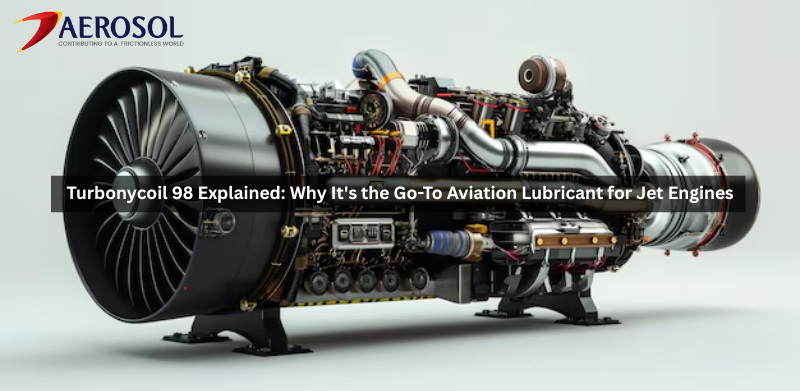
  • Turbonycoil 98 Explained: Why It’s the Go-To Aviation Lubricant for Jet Engines

    Turbonycoil 98 Explained: Why It’s the Go-To Aviation Lubricant for Jet Engines

    urbonycoil 98 Explained

    In aviation, reliability isn’t optional it’s a necessity. Every component of an aircraft must perform flawlessly, from the smallest screw to the most powerful jet engine. Among the many factors that keep engines safe, efficient, and long-lasting, lubrication plays a central role.

    One name stands out in the world of aviation lubricants: Turbonycoil 98. This high-performance synthetic lubricant has earned its place as the industry standard for jet engines worldwide. But why is it trusted across commercial airlines, military fleets, and private aviation? Let’s break it down.

    The Importance of Aviation Lubricants

    Jet engines operate under extreme conditions soaring temperatures, high rotational speeds, and intense pressures. Without proper lubrication, engine components would quickly wear down, leading to dangerous failures and expensive maintenance.

    Lubricants in aviation serve multiple purposes:

    • Reducing friction between moving parts
    • Cooling critical engine components
    • Preventing corrosion and oxidation
    • Keeping deposits and contaminants under control

    This is why aviation doesn’t just need “any oil.” It needs a product that is specifically engineered for high-performance jet engines. Enter Turbonycoil 98.

    What is Turbonycoil 98?

    Turbonycoil 98 is a synthetic ester-based aviation turbine oil that meets international standards, including MIL-PRF-23699. Developed with advanced additive technology, it’s designed to handle the punishing demands of jet engines.

    Unlike conventional oils, Turbonycoil 98 remains stable under extreme thermal stress. It resists oxidation, maintains viscosity, and continues to provide reliable lubrication across long flight hours. This makes it a go-to choice for airlines and aerospace manufacturers.

    Key features include:

    • Wide operating temperature range
    • Excellent load-carrying capacity
    • Strong resistance to thermal breakdown
    • Compatibility with various engine materials and seals

    Why Jet Engines Trust Turbonycoil 98

    1. Thermal Stability

    Jet engines generate temperatures that can exceed 1,000°C in certain zones. Turbonycoil 98 is engineered to withstand these extremes without degrading, ensuring uninterrupted protection.

    2. Deposit Control

    One of the biggest threats in aviation lubrication is carbon and sludge buildup. Deposits can clog vital engine passages. Turbonycoil 98 minimizes deposits, keeping engines cleaner and more efficient.

    3. Extended Service Life

    Because it resists oxidation and maintains stability, Turbonycoil 98 reduces the frequency of oil changes. This not only cuts maintenance costs but also increases aircraft availability.

    4. Proven Track Record

    Trusted by airlines, military forces, and aircraft manufacturers, Turbonycoil 98 has decades of proven performance in diverse flight conditions.

    Applications Beyond Commercial Aviation

    While Turbonycoil 98 is widely used in commercial passenger aircraft, its applications go beyond that.

    • Military Aviation: Fighter jets and military transport planes rely on it for performance in extreme environments.
    • Helicopters: Its stability under varying loads and altitudes makes it suitable for rotary-wing aircraft.
    • Business Jets & Private Planes: Owners choose Turbonycoil 98 for reliability and long-term protection.
    • Aerospace Operations: Its specifications align with requirements for advanced aerospace projects.

    Wherever jet engines are involved, Turbonycoil 98 provides confidence.

    Comparing Turbonycoil 98 with Other Lubricants

    Aviation turbine oils must meet rigorous standards. While there are other lubricants on the market, Turbonycoil 98 continues to stand out for several reasons:

    • Consistency Across Flights: It performs equally well in long-haul flights and short domestic runs.
    • Global Recognition: Approved and certified by leading aviation authorities.
    • Material Compatibility: Works seamlessly with seals, bearings, and metals found in modern engines.
    • Reduced Maintenance Costs: By cutting deposits and extending oil life, it saves airlines money over time.

    While some oils may perform well in specific conditions, Turbonycoil 98 offers all-around reliability, which is why it remains the first choice for many operators.

    The Future of Aviation Lubrication

    As aviation technology evolves, engines are becoming more powerful and fuel-efficient but also more demanding. Lubricants like Turbonycoil 98 must keep pace.

    Future formulations will likely focus on:

    • Lower environmental impact
    • Improved deposit resistance
    • Even higher thermal stability
    • Compatibility with next-generation engine materials

    Given its strong reputation and ongoing innovation, Turbonycoil 98 is well-positioned to remain at the forefront of aviation lubrication.

    Conclusion

    Jet engines are marvels of modern engineering, but they rely on something as simple as oil to keep them alive. Turbonycoil 98 has proven itself as the trusted partner of aviation delivering stability, protection, and efficiency under the toughest conditions.

    Whether it’s a commercial airline carrying thousands of passengers daily, a fighter jet operating in extreme combat zones, or a business jet cruising across continents, Turbonycoil 98 ensures engines stay protected and operational.

    In aviation, where safety and performance cannot be compromised, it’s no surprise why Turbonycoil 98 is the go-to aviation lubricant for jet engines.

  • Choosing the Best Engine Oil for Your Vehicle: A Buyer’s Guide

    Choosing the Best Engine Oil for Your Vehicle: A Buyer’s Guide

    Choosing the Best Engine Oil for Your Vehicle A Buyer’s Guide

    Engine oil is one of the most important fluids in your vehicle. It keeps the engine running smoothly, reduces friction, and protects against wear and tear. Without the right engine oil, even the best vehicle can lose performance and face serious damage over time.

    But with so many different types and labels on the market, choosing the best engine oil can feel confusing. Should you go for synthetic or mineral oil? What does 5W-30 or 10W-40 really mean? And how often should you change it?

    This guide will answer these questions in simple words so you can make the right choice for your vehicle.

    Why Engine Oil Matters

    Before we get into how to choose the right oil, it’s important to understand why engine oil is so critical. Engine oil does much more than just “lubricate” parts. It also:

    • Reduces friction: Prevents metal parts from grinding against each other.
    • Cools the engine: Carries heat away from moving components.
    • Cleans the engine: Collects dirt, soot, and deposits and carries them to the oil filter.
    • Prevents corrosion: Protects engine parts from rust and chemical damage.
    • Improves performance: Helps the engine run more efficiently, which can improve fuel economy.

    Choosing the wrong oil can lead to poor lubrication, higher fuel consumption, and even long-term engine damage.

    Step 1: Understand the Types of Engine Oil

    There are three main types of engine oils available in the market:

    1. Mineral Oil

    • Made from refined crude oil.
    • Suitable for older engines or light-duty vehicles.
    • Generally cheaper but needs more frequent changes.

    2. Synthetic Oil

    • Chemically engineered for better performance.
    • Provides excellent protection in extreme hot and cold conditions.
    • Lasts longer and keeps engines cleaner.
    • More expensive but worth it for modern vehicles.

    3. Semi-Synthetic (Blended) Oil

    • A mix of mineral and synthetic oil.
    • Offers better protection than mineral oil but is less costly than full synthetic.
    • A good balance for everyday driving.

    Step 2: Learn About Oil Viscosity

    When you see labels like 5W-30 or 10W-40, they refer to the oil’s viscosity, which means how easily the oil flows at different temperatures.

    • The number before the “W” stands for winter performance. A lower number means the oil flows better in cold weather. For example, 5W flows better in the cold than 10W.
    • The number after the “W” shows how the oil behaves in high temperatures. A higher number means it stays thicker at higher temperatures, which is good for protection in hot climates.

    Example:

    • 5W-30 → Good for colder climates, offers a balance between cold starts and heat protection.
    • 10W-40 → Better for hotter climates and high-mileage engines.

    Your car’s manual will tell you the recommended viscosity for your engine. Always follow that guideline.

    Step 3: Look for Certifications

    Engine oils come with certain standards and certifications. These show that the oil meets industry requirements for performance and protection. Some common ones include:

    • API (American Petroleum Institute) ratings.
    • ACEA (European Automobile Manufacturers’ Association) standards.
    • OEM approvals from car manufacturers.

    Using certified oil ensures you are protecting your engine with tested and approved formulations.

    Step 4: Match Oil to Driving Conditions

    Your driving habits and conditions also play a role in choosing the right oil.

    • City Driving / Stop-and-Go Traffic: Synthetic oil is better because it handles frequent heating and cooling.
    • Highway Driving: Semi-synthetic or synthetic works well, offering stability for long runs.
    • Extreme Weather: Choose oil with the right viscosity for very hot or cold climates.
    • Older Vehicles: Higher viscosity oils (like 10W-40) may protect worn-out engines better.

    Step 5: Know When to Change Engine Oil

    Even the best oil won’t last forever. Over time, oil breaks down and loses its ability to protect the engine.

    • Mineral oil usually lasts 3,000–5,000 kilometers.
    • Synthetic oil can last up to 10,000–15,000 kilometers, depending on the brand.
    • Semi-synthetic oil falls in between.

    Always check your vehicle’s manual for the manufacturer’s recommended oil change interval.

    Also, don’t forget the oil filter—it should be replaced every time you change the oil.

    Step 6: Choose a Trusted Brand

    Not all oils are equal. Using cheap or poor-quality oils can harm your engine instead of protecting it. High-quality brands design oils with advanced additives that keep your engine cleaner and stronger.

    For example, Aerosol International offers a wide range of reliable lubricants and engine oils designed for different vehicles and performance needs. Choosing a trusted brand ensures you get long-lasting protection and peace of mind.

    Common Mistakes to Avoid

    When buying engine oil, avoid these common errors:

    1. Using the Wrong Viscosity: Can reduce performance and cause wear.
    2. Mixing Oils Randomly: Mixing different oils can reduce their effectiveness.
    3. Ignoring the Oil Filter: New oil with an old filter won’t give full protection.
    4. Skipping Regular Changes: Old oil can turn into sludge and damage the engine.

    Quick Checklist for Buyers

    When you’re ready to buy engine oil, ask yourself these questions:

    • What type of oil does my car manual recommend?
    • Do I need mineral, semi-synthetic, or full synthetic?
    • What viscosity grade matches my climate and driving conditions?
    • Does the oil meet industry certifications?
    • Am I choosing a trusted brand like Aerosol?

    If you can answer these questions, you’re ready to make the right purchase.

    Final Thoughts

    Choosing the best engine oil doesn’t have to be complicated. The key is to know your vehicle’s requirements, understand the basics of oil types and viscosity, and buy from a trusted brand.

    The right engine oil not only keeps your car running smoothly but also extends its life, improves fuel economy, and prevents costly repairs.

    So, next time you’re looking for engine oil, take a moment to read the label carefully, follow your car manufacturer’s advice, and trust quality brands like Aerosol for lasting protection.

    Your vehicle deserves the right care and the right engine oil is the first step.

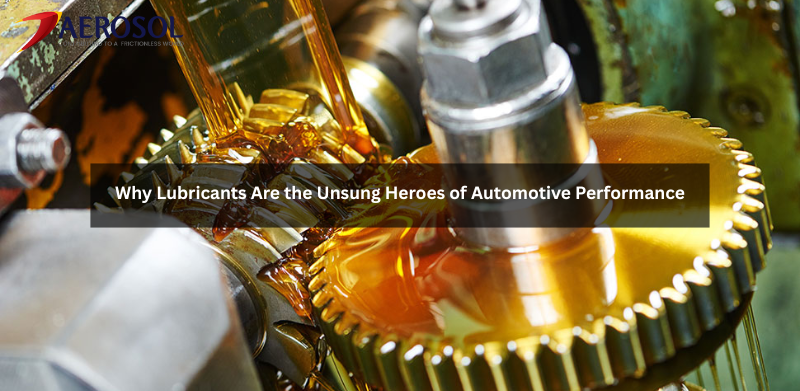
  • Why Lubricants Are the Unsung Heroes of Automotive Performance

    Why Lubricants Are the Unsung Heroes of Automotive Performance

    Why Lubricants Are the Unsung Heroes of Automotive Performance

    When people think about car performance, they usually focus on engines, horsepower, tires, or fuel efficiency. But there’s one element that often goes unnoticed and yet plays a major role in keeping everything running smoothly: lubricants.

    Lubricants are more than just fluids inside your vehicle. They protect, clean, and improve performance in ways that most drivers don’t realize. Without them, even the most powerful engines and advanced designs would fail much sooner. That’s why lubricants can truly be called the unsung heroes of automotive performance.

    In this blog, we’ll explore why lubricants matter, how they work, and why choosing the right one makes all the difference.

    What Exactly Are Lubricants?

    At their core, lubricants are oils or fluids designed to reduce friction between moving parts. They create a thin film between surfaces, preventing direct metal-to-metal contact. But today’s automotive lubricants are far more advanced than simple oils. They are specially formulated with additives that:

    • Reduce wear and tear
    • Protect against rust and corrosion
    • Keep engines clean by carrying away dirt and deposits
    • Improve fuel efficiency
    • Help engines run at the right temperature

    From engine oil to transmission fluids, brake fluids, and coolants, lubricants cover nearly every system in a vehicle.

    Why Lubricants Matter for Performance

    1. They Reduce Friction

    Friction is one of the biggest enemies of performance. Too much friction generates heat, wastes energy, and wears down parts. Lubricants form a protective layer between moving components, making them glide smoothly. This not only improves efficiency but also ensures that the engine delivers consistent power.

    2. They Keep the Engine Cool

    Engines generate massive amounts of heat. While the cooling system handles most of it, lubricants also play a role. By carrying heat away from critical components and reducing friction, they help keep temperatures in check. This prevents overheating and ensures long-term performance.

    3. They Extend Engine Life

    Without proper lubrication, engines would suffer from constant wear. Over time, this would lead to breakdowns and costly repairs. A good lubricant minimizes this wear, helping engines last longer and perform better.

    4. They Improve Fuel Efficiency

    Friction doesn’t just wear out parts—it also makes engines work harder. By reducing friction, lubricants allow engines to run more smoothly and with less effort. The result is better fuel economy, saving money and reducing strain on the engine.

    5. They Keep Engines Clean

    Dirt, soot, and tiny metal particles build up inside engines during operation. Lubricants carry these contaminants away and trap them in the oil filter. This cleaning function keeps engines free of harmful deposits that can reduce performance.

    Common Types of Automotive Lubricants

    Not all lubricants serve the same purpose. Different parts of a vehicle require different types of lubrication. Some of the most common include:

    • Engine Oil: Protects engine components, reduces friction, and keeps the system clean.
    • Transmission Fluid: Ensures smooth gear shifting and protects transmission parts.
    • Brake Fluid: Transfers force from the brake pedal to the wheels, ensuring reliable stopping power.
    • Coolants: While technically not oils, coolants are fluids that help regulate temperature and prevent overheating.
    • Greases: Used in wheel bearings, joints, and other parts that need long-term lubrication.

    Each of these plays a role in overall vehicle performance. Ignoring them can lead to reduced efficiency and serious mechanical problems.

    Myths About Lubricants

    Even though lubricants are so important, there are several common myths about them. Let’s clear up a few:

    • Myth 1: All lubricants are the same.
      In reality, each lubricant has a unique formulation for specific uses. Using the wrong one can harm performance.
    • Myth 2: Thicker oil is always better.
      Not true. The right viscosity depends on your engine design. Thicker isn’t always safer.
    • Myth 3: You don’t need to change lubricants often.
      Over time, lubricants lose effectiveness and get contaminated. Following the manufacturer’s schedule is key.

    The Role of Quality Lubricants

    It’s not just about using lubricants, it’s about using the right quality. Low-quality oils break down quickly, fail to protect against extreme conditions, and may even cause damage. High-quality lubricants, on the other hand, are engineered to provide long-lasting protection and performance.

    Brands like Aerosol International specialize in developing high-performance lubricants for different types of vehicles and machinery. Choosing trusted brands ensures your engine gets the right balance of protection, efficiency, and durability.

    How to Take Care of Lubricants

    To get the best performance from lubricants, it’s important to maintain them properly. Here are a few tips:

    1. Check Levels Regularly: Keep an eye on oil and fluid levels to avoid running low.
    2. Follow Service Intervals: Change engine oil, transmission fluid, and brake fluid as recommended in your manual.
    3. Use the Right Type: Always use lubricants that match the specifications given by your vehicle’s manufacturer.
    4. Replace Filters: An oil filter is just as important as the oil itself. Replace it during every oil change.
    5. Watch for Leaks: Small leaks can quickly lead to big problems if not fixed in time.

    Why Lubricants Are the “Silent Performers”

    Unlike flashy car parts or accessories, lubricants don’t get much attention. You can’t see their work, but you feel it every time your car starts smoothly, shifts gears without trouble, and runs efficiently. They silently protect engines from damage and help cars deliver the performance drivers expect.

    Ignoring them can lead to engine failure, poor mileage, and expensive repairs. Paying attention to them can add years of life to your vehicle.

    Final Thoughts

    Lubricants may not be the most exciting part of automotive performance, but they are among the most important. They reduce friction, cool engines, improve fuel efficiency, and extend the life of vehicles. Simply put, they keep everything running as it should.

    The next time you think about car performance, remember that it’s not just about horsepower or speed; it’s also about what’s happening under the hood with the help of lubricants.

    If you want dependable performance and long-lasting protection, choosing high-quality lubricants from trusted brands like Aerosol can make all the difference. They truly are the unsung heroes keeping your vehicle in top shape.

  • Synthetic vs. Conventional Engine Oil: Which One Should You Use?

    Synthetic vs. Conventional Engine Oil: Which One Should You Use?

    Synthetic vs. Conventional Engine Oil: Which One Should You Use?

    If you’ve ever stood in front of a shelf filled with engine oils, you know the confusion is real. Do you go for the cheaper, conventional option or invest in synthetic? Many drivers are unsure, and with so much conflicting advice, the choice can feel overwhelming.

    The truth is, both synthetic and conventional oils have their place. Your decision depends on your car, driving conditions, and budget. And if you’re searching for the best Engine Oil in UAE, the extreme heat and dusty climate make your choice even more critical.

    Let’s break down the differences and help you figure out which oil is right for you.

    What is Conventional Engine Oil?

    Conventional engine oil is the traditional choice. It’s refined from crude oil and contains natural hydrocarbons. It lubricates, protects, and cleans your engine, but it comes with limitations.

    Because it breaks down faster, especially in high temperatures, it requires more frequent oil changes. For drivers in hot regions like the UAE, conventional oil can struggle to maintain stability.

    In summary:

    • Affordable and widely available
    • Works fine for older vehicles and light driving
    • Requires more frequent changes in hot and demanding conditions

    What is Synthetic Engine Oil?

    Synthetic engine oil is created in laboratories, engineered for precision and performance. Unlike conventional oil, it’s designed to withstand extreme conditions without breaking down.

    Synthetic oils are chemically stable, resist oxidation, and protect engines from wear and deposits. This makes them a great option for modern engines and challenging climates.

    For those buying Engine Oil in UAE, synthetic options are often preferred. They provide reliable lubrication even when temperatures soar, ensuring engines run smoothly under pressure.

    In summary:

    • More expensive but longer-lasting
    • Provides superior protection and efficiency
    • Ideal for newer cars and extreme driving environments

    Key Differences Between Synthetic and Conventional Oil

    1. Longevity

    Synthetic oil lasts longer. While conventional may need a change every 3,000–5,000 miles, synthetic can often go 7,500–10,000 miles.

    2. Temperature Resistance

    Conventional oil thickens in cold weather and thins in extreme heat. Synthetic oil remains stable across a wide range of temperatures, which is crucial for the UAE’s hot climate.

    3. Engine Protection

    Synthetic oil contains additives that reduce wear, prevent deposits, and extend engine life. Conventional oil provides basic protection but lacks advanced features.

    4. Cost

    Conventional oil is cheaper upfront. But since synthetic lasts longer and protects better, it can save money in the long run.

    When to Choose Conventional Oil

    Conventional oil still works for some drivers. It’s a practical choice if you:

    • Own an older car with high mileage
    • Drive short distances and don’t put much strain on your engine
    • Want a budget-friendly option and don’t mind more frequent oil changes

    In these cases, conventional oil can do the job without issues. However, if you’re using conventional Engine Oil in UAE, be prepared to change it more often due to the harsh driving environment.

    When to Choose Synthetic Oil

    Synthetic oil shines in situations where performance and reliability matter most. Choose synthetic if you:

    • Drive in extreme climates (like the heat of the UAE)
    • Own a newer or high-performance car
    • Regularly take long trips or tow heavy loads
    • Want to extend the life of your engine and reduce maintenance hassles

    For most drivers in the UAE, synthetic is the safer bet. The climate demands an oil that can handle high stress without breaking down.

    The Middle Ground – Semi-Synthetic Oils

    If you’re torn between cost and performance, semi-synthetic (or blend) oils offer a compromise. They mix conventional and synthetic oils, giving you:

    • Better protection than conventional
    • More affordable pricing than full synthetic
    • Moderate longevity and stability

    This option works well for mid-range vehicles or drivers who want more protection without fully committing to synthetic.

    Common Myths About Engine Oil Choices

    Myth 1: Switching to Synthetic Will Cause Leaks

    Not true. Modern synthetic oils are fully compatible with engine seals.

    Myth 2: Once You Use Synthetic, You Can’t Go Back

    Also false. You can switch between oils, but it’s best to stick with what your engine manual recommends.

    Myth 3: Synthetic Oil Lasts Forever

    While it lasts longer, it still needs to be replaced according to your vehicle’s schedule.

    Clearing these myths helps drivers make better decisions when buying Engine Oil in UAE.

    Conclusion

    Both synthetic and conventional oils have advantages. Conventional is affordable and works for older cars, while synthetic delivers long-term protection, efficiency, and reliability. In the UAE’s demanding climate, synthetic oil often makes the most sense.

    At the end of the day, the right choice comes down to your car’s needs, your driving habits, and your budget. Check your manual, consider your environment, and remember your engine’s health depends on the oil you choose.

  • How the Right Lubricants Can Extend the Life of Your Machinery

    How the Right Lubricants Can Extend the Life of Your Machinery

    How the Right Lubricants Can Extend the Life of Your Machinery

    In industries where machinery works day and night, downtime is costly. Whether you’re running a manufacturing plant, construction site, or a shipping operation, keeping machines in top shape is vital. And one of the most overlooked factors in machinery maintenance is lubrication.

    Choosing the right lubricants isn’t just about reducing friction it’s about protecting your investment, preventing breakdowns, and extending your equipment’s lifespan. In regions like the UAE, where extreme temperatures and dusty conditions are common, selecting the right lubricant can mean the difference between smooth operation and costly repairs.

    Why Lubricants Are the Lifeline of Machinery

    Lubricants reduce friction between moving parts. Without them, components wear down quickly, causing excessive heat and damage. But their job goes beyond just making things “slippery.”

    They also:

    • Remove heat from components
    • Reduce metal-to-metal contact
    • Prevent rust and corrosion
    • Keep dirt and debris from causing damage

    When machinery operates in harsh environments, the right lubricant becomes even more important. For example, in UAE industries like aviation, marine, and heavy manufacturing, lubricants face high thermal stress. Using the wrong product can lead to premature equipment failure.

    The Cost of Poor Lubrication

    Poor lubrication is one of the top causes of mechanical failure. According to industry studies, up to 50% of equipment breakdowns are linked to lubrication issues.

    Common problems caused by poor lubrication include:

    • Increased wear and tear
    • Higher operating temperatures
    • Excessive energy consumption
    • Shortened component life

    These issues don’t just harm the machine they also increase operational costs. Unplanned downtime can halt production, delay projects, and damage client relationships. Simply put, investing in the right lubricant is cheaper than replacing expensive machinery parts.

    Choosing the Right Lubricant for Your Machinery

    Not all lubricants are the same. Choosing the right one requires understanding your machinery, operating environment, and manufacturer recommendations.

    1. Viscosity Matters

    Viscosity determines how easily a lubricant flows. Too thick, and it may not reach critical areas. Too thin, and it may not provide enough protection.

    2. Additives for Extra Protection

    Modern lubricants contain additives that protect against rust, oxidation, and extreme pressure. For example, marine machinery may require lubricants with strong anti-corrosion properties, while construction equipment might need anti-wear additives.

    3. Climate Considerations

    In hot climates like the UAE, lubricants must resist high temperatures without breaking down. In colder regions, low-temperature flow is more important.

    The Role of Preventive Maintenance in Lubrication

    Lubricants are only effective if they are monitored and replaced as part of a preventive maintenance program. Over time, oil and grease degrade, losing their protective properties.

    Preventive lubrication schedules ensure:

    • Timely oil changes before performance drops
    • Consistent lubrication of all moving parts
    • Regular inspection for leaks and contamination

    By pairing the right lubricant with a maintenance routine, you extend the life of your machinery and reduce emergency repairs.

    Even the best lubricant won’t help if it’s not applied correctly or replaced when needed. Here are warning signs that your lubrication system needs attention:

    • Increased vibration — Could indicate inadequate lubrication
    • Overheating components — Suggests friction is too high
    • Unusual noises — A sign that metal parts are grinding
    • Oil leaks or contamination — Reduces lubrication effectiveness

    Catching these signs early helps prevent small issues from turning into expensive breakdowns.

    How the Right Lubricant Extends Machinery Life

    1. Reduces Wear and Tear

    By minimizing direct contact between moving parts, lubricants slow down the wear process, keeping machinery running smoothly for years.

    2. Protects Against Corrosion

    Lubricants act as a barrier between metal and moisture, preventing rust — especially important for marine and outdoor machinery.

    3. Enhances Energy Efficiency

    With less friction, machines run more smoothly and consume less energy, lowering operational costs.

    4. Handles Extreme Loads

    Specialized lubricants protect machinery operating under heavy loads, preventing damage even in high-pressure environments.

    Best Practices for Lubricant Management

    To get the most out of your lubricants:

    • Store them in a clean, dry environment away from extreme heat or cold
    • Use the correct dispensing equipment to prevent contamination
    • Train staff on proper lubrication techniques
    • Keep detailed records of lubricant usage and maintenance schedules

    By treating lubricants as a vital part of your machinery strategy, you maximize uptime and profitability.

    Conclusion

    The right lubricant isn’t just a purchase it’s an investment in your machinery’s future. It ensures smooth operation, prevents costly repairs, and keeps your business running efficiently.

    Whether you operate in construction, manufacturing, marine, or aviation, understanding your lubrication needs is the first step toward protecting your assets. In demanding environments like the UAE, where heat and dust challenge every moving part, selecting high-quality lubricants can be the difference between peak performance and premature failure.

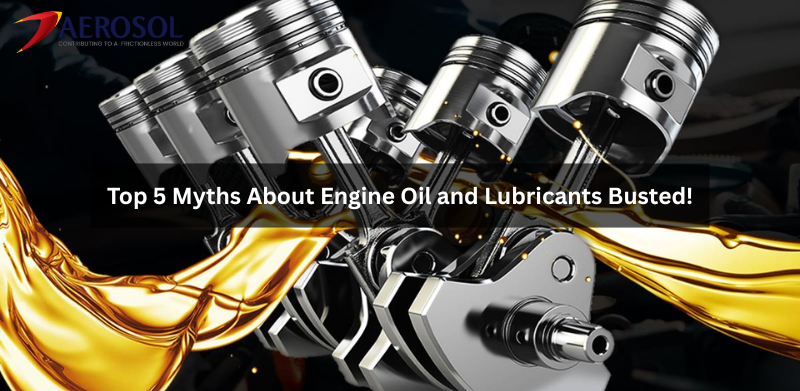
  • Top 5 Myths About Engine Oil and Lubricants Busted!

    Top 5 Myths About Engine Oil and Lubricants Busted!

    Top 5 Myths About Engine Oil and Lubricants Busted!

    When it comes to keeping your car’s engine healthy, engine oil and lubricants are often misunderstood. Over the years, plenty of myths have spread, leading drivers to make costly mistakes. Some people change their oil too often. Others believe all oils are the same.

    If you’re buying or using Engine Oil in UAE, understanding the truth behind these myths is essential. The UAE’s hot climate, dusty roads, and heavy traffic make correct oil use even more important. Today, we’re busting the top 5 myths so you can protect your engine and save money.

    Myth #1: All Engine Oils Are the Same

    It’s easy to think oil is just oil, but that’s far from the truth. Different engine oils are designed for different purposes. They vary in viscosity, additives, and performance levels. Using the wrong oil can hurt your engine’s performance and lifespan.

    For example, in hot climates like the UAE, oils need to withstand higher temperatures without breaking down. That’s why choosing the right Engine Oil in UAE matters. Premium synthetic oils perform far better in extreme conditions compared to basic mineral oils.

    Truth: Always check your vehicle’s manual and pick an oil that matches your engine’s needs and local climate.

    Myth #2: You Must Change Oil Every 3,000 Miles

    This myth comes from older cars and outdated oil technology. Modern oils, especially synthetic ones, last much longer. Many vehicles can run 5,000–10,000 miles before needing a change.

    However, if you’re driving in UAE conditions — hot weather, stop-and-go traffic, and dusty environments — oil may degrade faster. Drivers using Engine Oil in UAE should monitor oil levels and condition regularly instead of relying on a one-size-fits-all mileage rule.

    Truth: Follow your manufacturer’s recommendation, and adjust for your driving environment.

    Myth #3: Dark Oil Means It’s Time for a Change

    Yes, fresh oil is amber-colored. Over time, it turns darker as it traps dirt and engine deposits. But dark oil doesn’t always mean it’s bad. In fact, it means it’s doing its job — cleaning your engine.

    Of course, if your oil is black, gritty, and past its recommended change interval, then it’s time to replace it. But color alone isn’t the only indicator. Many drivers in the UAE change perfectly good Engine Oil in UAE early just because it looks darker, wasting money.

    Truth: Check the oil’s feel, smell, and mileage since your last change — not just its color.

    Myth #4: Thicker Oil is Always Better

    Some believe thicker oil offers better protection. While it can help in some older engines, modern engines are designed for specific oil thickness (viscosity). Using oil that’s too thick can make the engine work harder, reduce fuel efficiency, and even cause damage.

    If you’re using Engine Oil in UAE, you need a viscosity that handles high temperatures without becoming too thin or too thick. Always stick to the viscosity rating recommended in your car’s manual.

    Truth: The best oil is the one designed for your specific engine — not necessarily the thickest.

    Myth #5: Synthetic Oil Causes Leaks

    This myth started decades ago when early synthetic oils weren’t compatible with certain engine seals. Today, synthetic oils are engineered to work with all modern engines. They actually help protect seals and prevent leaks by keeping the engine cleaner.

    Many drivers in the UAE switch to high-quality Engine Oil in UAE (synthetic) and notice improved performance and protection — not leaks.

    Truth: Modern synthetic oils are safe, effective, and often the best choice for long-term engine health.

    Conclusion

    Myths about engine oil can lead to wasted money and even engine damage. By knowing the facts, you can make smarter maintenance decisions, especially in challenging driving conditions like the UAE. Whether it’s choosing the right type, changing it at the right time, or understanding how it works, the key is to rely on facts — not old garage tales.

    Your car is an investment. Protect it with the right Engine Oil in UAE, regular checks, and a maintenance plan that suits your driving habits and climate.

  • Engine Oil 101: Everything You Need to Know Before Your Next Oil Change

    Engine Oil 101: Everything You Need to Know Before Your Next Oil Change

    Engine Oil 101: Everything You Need to Know Before Your Next Oil Change

    Your car’s engine is like its heart. And just like a heart needs blood, your engine needs oil to keep running smoothly. Without the right oil or enough of it your engine can wear out faster, overheat, or even break down completely. That’s why understanding engine oil isn’t just for mechanics. It’s something every driver should know.

    In this guide, we’ll break down everything about engine oil in a way that’s easy to understand. Whether you’re a first-time car owner or an experienced driver, you’ll learn how to pick the right oil, when to change it, and why it matters – especially if you’re looking for the best Engine Oil in UAE.

    What is Engine Oil and Why Does it Matter?

    Engine oil is more than just a slippery liquid. It plays a vital role in keeping your car healthy. It lubricates the moving parts, reduces friction, and prevents wear. Without it, metal parts would grind against each other, causing damage within minutes.

    For drivers searching for Engine Oil in UAE, the stakes are even higher. The hot climate puts extra stress on engines, making lubrication and temperature control essential. Good engine oil not only reduces heat but also cleans the engine by carrying away dirt and tiny metal particles.

    In short, engine oil is the unsung hero of your car’s performance. Choosing the right one is one of the most important maintenance decisions you can make.

    Types of Engine Oil Know Your Options

    There’s no one-size-fits-all engine oil. Depending on your car, driving style, and climate, you’ll need to choose from three main types:

    1. Mineral Oil

    This is the most basic type, made from refined crude oil. It’s affordable but breaks down faster, so it needs more frequent changes.

    2. Synthetic Oil

    Designed in a lab, synthetic oil offers better performance and protection. It lasts longer, resists high temperatures, and flows better in cold weather.

    3. Semi-Synthetic Oil

    A mix of mineral and synthetic oils. It’s a balanced option for drivers who want good performance without the higher price of full synthetic.

    If you’re buying Engine Oil in UAE, remember that extreme heat can cause oils to break down faster. Synthetic or semi-synthetic options often perform better in such climates.

    How to Choose the Right Engine Oil

    Choosing engine oil isn’t just about picking a brand. You need to consider three main factors:

    1. Viscosity

    Viscosity is the oil’s thickness. Look for a number like 5W-30 on the label. The “W” stands for winter, showing how the oil flows in cold weather. The second number indicates performance at high temperatures. For hot climates like the UAE, oils with higher second numbers offer better protection.

    2. Manufacturer’s Recommendation

    Always check your car manual. It tells you the exact oil type your engine needs. Using the wrong one can hurt performance and void warranties.

    3. Driving Conditions

    If you do a lot of short trips, your oil may degrade faster. Heavy traffic, dusty roads, and extreme heat all affect oil life. This is why drivers looking for Engine Oil in UAE should consider oils with higher thermal stability.

    Signs You Need an Oil Change

    You don’t have to be a mechanic to know when your oil needs changing. Watch out for these common signs:

    1. Warning Lights

    If your dashboard oil light comes on, it’s a clear sign something’s wrong. Don’t ignore it.

    2. Dark or Dirty Oil

    Fresh oil is amber in color. Over time, it gets darker and collects dirt. Check it using the dipstick. If it’s black and gritty, it’s time for a change.

    3. Engine Noise or Knocking

    Without enough lubrication, engine parts rub against each other, creating unusual sounds.

    For drivers using Engine Oil in UAE, regular checks are even more important. The hot weather and dusty conditions can shorten oil life significantly.

    How Often Should You Change Your Engine Oil?

    In the past, the rule was every 3,000 miles. But modern cars and better oils have changed that. Most vehicles today can go 5,000 to 10,000 miles between oil changes.

    However, these numbers can vary based on:

    • The type of oil you use
    • Your driving habits
    • The climate you live in

    For example, in the UAE’s hot environment, you might need to change oil more often, even if it’s synthetic. It’s always better to follow your manufacturer’s guidelines rather than a one-size-fits-all rule.

    Tips for Maintaining Engine Oil Health

    1. Check Your Oil Regularly

    Pop the hood and check your oil level with the dipstick every few weeks. It’s quick, easy, and can prevent costly repairs.

    2. Use Quality Oil Filters

    A good filter removes impurities, ensuring clean oil circulates in your engine.

    3. Store Oil Properly

    If you buy extra Engine Oil in UAE for future use, keep it sealed and stored in a cool, dry place. Heat and moisture can degrade oil quality over time.

    4. Don’t Mix Oils

    Mixing different types or brands can reduce performance. Stick with the same oil type until your next change.

    The Cost of Ignoring Oil Changes

    Skipping oil changes may save you a little now, but it can cost you thousands later. Old oil loses its ability to lubricate, leading to overheating, wear, and eventually engine failure.

    For UAE drivers, the risks are even greater. High temperatures accelerate oil breakdown, making timely oil changes critical. In short, regular oil changes are cheaper than a new engine.

    Conclusion

    Your engine’s health depends on the oil you choose and how often you change it. From understanding viscosity to knowing the signs of wear, a little knowledge can save you money and headaches down the road.

    Whether you’re a first-time driver or a seasoned car owner, investing in the right Engine Oil in UAE and maintaining it properly will keep your vehicle running smoothly for years to come.