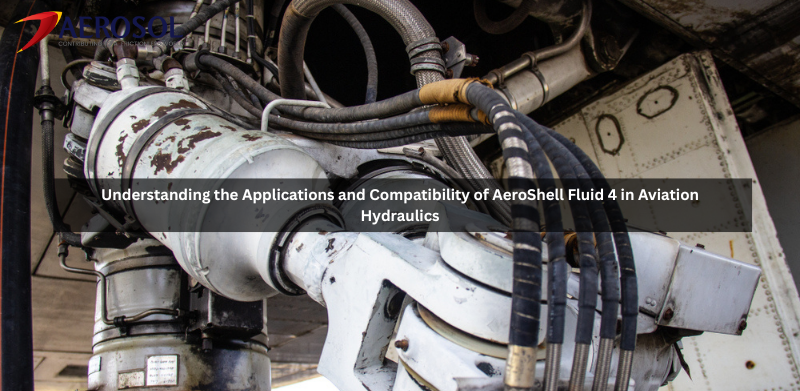
Hydraulic systems are at the heart of aircraft operations. From lowering landing gear to controlling flight surfaces, hydraulics ensure that pilots can manage large forces with precision and ease. For these systems to work effectively, the hydraulic fluid used must meet strict requirements of performance, reliability, and compatibility.
One fluid that has stood the test of time in aviation is AeroShell Fluid 4, a mineral-based hydraulic fluid trusted across the globe. In this article, we’ll break down where AeroShell Fluid 4 is used, how it performs in hydraulic systems, and why compatibility matters so much in aviation.
Why Hydraulic Fluids Matter in Aviation
Hydraulic fluids serve as the lifeblood of an aircraft’s hydraulic system. They are responsible for:
- Transmitting power: Allowing movement of flight controls, brakes, and landing gear.
- Lubricating components: Reducing wear and extending service life.
- Protecting against corrosion: Shielding sensitive metals from rust and damage.
- Operating across temperatures: Ensuring smooth flow in both hot and cold conditions.
Choosing the right hydraulic fluid is not optional it is essential for safe and efficient aircraft operation.
What is AeroShell Fluid 4?
AeroShell Fluid 4 is a mineral-based hydraulic fluid made with refined mineral oils and special additives. It is designed to work in aviation hydraulic systems that require mineral oils instead of synthetic alternatives.
Key features include:
- Oxidation resistance: Prevents breakdown during high-temperature use.
- Anti-wear protection: Reduces damage to moving parts.
- Corrosion prevention: Protects internal components from rust.
- Seal compatibility: Safe with materials used in older aircraft hydraulic systems.
Because of its balanced performance, AeroShell Fluid 4 is widely used in both civil and military aircraft.
Applications of AeroShell Fluid 4 in Aviation
AeroShell Fluid 4 has multiple applications in aviation maintenance, including:
1. Hydraulic Systems
It powers critical systems such as:
- Landing gear retraction and extension
- Brake systems
- Flight control actuators
2. Shock Struts (Oleo Struts)
It provides damping in shock absorbers, reducing landing impact loads.
3. Tail Wheel and Nose Wheel Assemblies
Ensures smooth steering and ground handling.
4. Hydraulic Accessories
Used in valves, pumps, and actuators that rely on mineral-based hydraulic fluids.
Because of its versatility, AeroShell Fluid 4 continues to be a go-to fluid for maintenance teams.
Compatibility: Why It Matters
One of the most important aspects of using AeroShell Fluid 4 is its compatibility. In aviation, mixing incompatible fluids can cause serious issues such as:
- Seal swelling or shrinking
- Corrosion of metal parts
- Loss of fluid performance
- Potential system failure
Many older aircraft were specifically designed to use mineral-based fluids like AeroShell Fluid 4. Switching to synthetic fluids without confirming compatibility could damage seals and components.
This is why aviation maintenance manuals often specify AeroShell Fluid 4 as the required hydraulic fluid for certain systems.
Performance Advantages of AeroShell Fluid 4
Aircraft operators continue to rely on AeroShell Fluid 4 because it delivers consistent performance benefits:
- Stable viscosity ensures smooth operation across different temperatures.
- Oxidation stability prevents sludge and deposit formation.
- Anti-wear protection keeps hydraulic pumps and actuators working longer.
- Corrosion resistance maintains system integrity, especially in humid environments.
These benefits help ensure safety while reducing maintenance costs.
Best Practices for Using AeroShell Fluid 4
To get the most from AeroShell Fluid 4, maintenance teams should follow these practices:
- Check system requirements: Always confirm that the aircraft system is approved for mineral hydraulic fluids.
- Avoid mixing fluids: Never combine mineral fluids with synthetic types.
- Maintain cleanliness: Use clean tools and sealed containers to prevent contamination.
- Regularly monitor fluid condition: Replace fluid if signs of oxidation or contamination appear.
Following these steps ensures that the fluid continues to perform as intended.
AeroShell Fluid 4 vs. Synthetic Fluids
While synthetic hydraulic fluids are used in modern aircraft requiring higher temperature performance, AeroShell Fluid 4 remains vital for many existing fleets because:
- It is specifically designed for systems built around mineral oils.
- It offers proven protection and reliability.
- It is more cost-effective than some synthetic alternatives.
For aircraft that require it, AeroShell Fluid 4 is not just an option it is the best choice.
Why Aviation Professionals Trust AeroShell Fluid 4
The continued use of AeroShell Fluid 4 comes down to trust and performance. It has been part of aviation maintenance for decades, helping ensure safe flights by powering hydraulic systems reliably.
Its advantages can be summed up as:
- Compatibility with many aircraft hydraulic systems
- Proven reliability over decades of use
- Strong protection against wear, corrosion, and oxidation
- Availability across global markets
For operators and maintenance teams, these qualities provide confidence and peace of mind.
Final Thoughts
Hydraulic systems are essential to modern aviation, and the choice of fluid directly impacts performance and safety. AeroShell Fluid 4 has earned its reputation as a dependable mineral hydraulic fluid that continues to serve aircraft around the world.
With its wide range of applications, strong compatibility with older aircraft, and reliable performance characteristics, it remains an important part of aviation maintenance. For systems that require mineral-based fluids, AeroShell Fluid 4 continues to be the right choice—ensuring smooth, safe, and efficient operations.
Leave a Reply