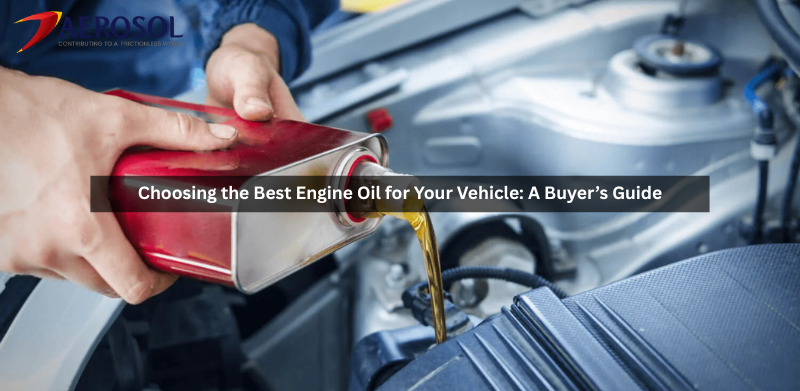
Engine oil is one of the most important fluids in your vehicle. It keeps the engine running smoothly, reduces friction, and protects against wear and tear. Without the right engine oil, even the best vehicle can lose performance and face serious damage over time.
But with so many different types and labels on the market, choosing the best engine oil can feel confusing. Should you go for synthetic or mineral oil? What does 5W-30 or 10W-40 really mean? And how often should you change it?
This guide will answer these questions in simple words so you can make the right choice for your vehicle.
Why Engine Oil Matters
Before we get into how to choose the right oil, it’s important to understand why engine oil is so critical. Engine oil does much more than just “lubricate” parts. It also:
- Reduces friction: Prevents metal parts from grinding against each other.
- Cools the engine: Carries heat away from moving components.
- Cleans the engine: Collects dirt, soot, and deposits and carries them to the oil filter.
- Prevents corrosion: Protects engine parts from rust and chemical damage.
- Improves performance: Helps the engine run more efficiently, which can improve fuel economy.
Choosing the wrong oil can lead to poor lubrication, higher fuel consumption, and even long-term engine damage.
Step 1: Understand the Types of Engine Oil
There are three main types of engine oils available in the market:
1. Mineral Oil
- Made from refined crude oil.
- Suitable for older engines or light-duty vehicles.
- Generally cheaper but needs more frequent changes.
2. Synthetic Oil
- Chemically engineered for better performance.
- Provides excellent protection in extreme hot and cold conditions.
- Lasts longer and keeps engines cleaner.
- More expensive but worth it for modern vehicles.
3. Semi-Synthetic (Blended) Oil
- A mix of mineral and synthetic oil.
- Offers better protection than mineral oil but is less costly than full synthetic.
- A good balance for everyday driving.
Step 2: Learn About Oil Viscosity
When you see labels like 5W-30 or 10W-40, they refer to the oil’s viscosity, which means how easily the oil flows at different temperatures.
- The number before the “W” stands for winter performance. A lower number means the oil flows better in cold weather. For example, 5W flows better in the cold than 10W.
- The number after the “W” shows how the oil behaves in high temperatures. A higher number means it stays thicker at higher temperatures, which is good for protection in hot climates.
Example:
- 5W-30 → Good for colder climates, offers a balance between cold starts and heat protection.
- 10W-40 → Better for hotter climates and high-mileage engines.
Your car’s manual will tell you the recommended viscosity for your engine. Always follow that guideline.
Step 3: Look for Certifications
Engine oils come with certain standards and certifications. These show that the oil meets industry requirements for performance and protection. Some common ones include:
- API (American Petroleum Institute) ratings.
- ACEA (European Automobile Manufacturers’ Association) standards.
- OEM approvals from car manufacturers.
Using certified oil ensures you are protecting your engine with tested and approved formulations.
Step 4: Match Oil to Driving Conditions
Your driving habits and conditions also play a role in choosing the right oil.
- City Driving / Stop-and-Go Traffic: Synthetic oil is better because it handles frequent heating and cooling.
- Highway Driving: Semi-synthetic or synthetic works well, offering stability for long runs.
- Extreme Weather: Choose oil with the right viscosity for very hot or cold climates.
- Older Vehicles: Higher viscosity oils (like 10W-40) may protect worn-out engines better.
Step 5: Know When to Change Engine Oil
Even the best oil won’t last forever. Over time, oil breaks down and loses its ability to protect the engine.
- Mineral oil usually lasts 3,000–5,000 kilometers.
- Synthetic oil can last up to 10,000–15,000 kilometers, depending on the brand.
- Semi-synthetic oil falls in between.
Always check your vehicle’s manual for the manufacturer’s recommended oil change interval.
Also, don’t forget the oil filter—it should be replaced every time you change the oil.
Step 6: Choose a Trusted Brand
Not all oils are equal. Using cheap or poor-quality oils can harm your engine instead of protecting it. High-quality brands design oils with advanced additives that keep your engine cleaner and stronger.
For example, Aerosol International offers a wide range of reliable lubricants and engine oils designed for different vehicles and performance needs. Choosing a trusted brand ensures you get long-lasting protection and peace of mind.
Common Mistakes to Avoid
When buying engine oil, avoid these common errors:
- Using the Wrong Viscosity: Can reduce performance and cause wear.
- Mixing Oils Randomly: Mixing different oils can reduce their effectiveness.
- Ignoring the Oil Filter: New oil with an old filter won’t give full protection.
- Skipping Regular Changes: Old oil can turn into sludge and damage the engine.
Quick Checklist for Buyers
When you’re ready to buy engine oil, ask yourself these questions:
- What type of oil does my car manual recommend?
- Do I need mineral, semi-synthetic, or full synthetic?
- What viscosity grade matches my climate and driving conditions?
- Does the oil meet industry certifications?
- Am I choosing a trusted brand like Aerosol?
If you can answer these questions, you’re ready to make the right purchase.
Final Thoughts
Choosing the best engine oil doesn’t have to be complicated. The key is to know your vehicle’s requirements, understand the basics of oil types and viscosity, and buy from a trusted brand.
The right engine oil not only keeps your car running smoothly but also extends its life, improves fuel economy, and prevents costly repairs.
So, next time you’re looking for engine oil, take a moment to read the label carefully, follow your car manufacturer’s advice, and trust quality brands like Aerosol for lasting protection.
Your vehicle deserves the right care and the right engine oil is the first step.