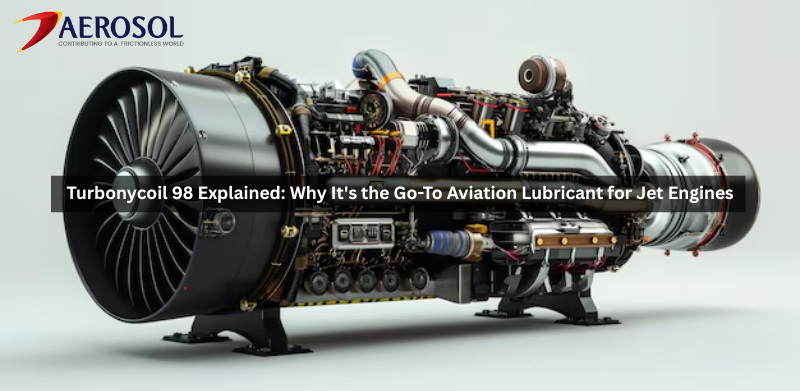
In aviation, reliability isn’t optional it’s a necessity. Every component of an aircraft must perform flawlessly, from the smallest screw to the most powerful jet engine. Among the many factors that keep engines safe, efficient, and long-lasting, lubrication plays a central role.
One name stands out in the world of aviation lubricants: Turbonycoil 98. This high-performance synthetic lubricant has earned its place as the industry standard for jet engines worldwide. But why is it trusted across commercial airlines, military fleets, and private aviation? Let’s break it down.
The Importance of Aviation Lubricants
Jet engines operate under extreme conditions soaring temperatures, high rotational speeds, and intense pressures. Without proper lubrication, engine components would quickly wear down, leading to dangerous failures and expensive maintenance.
Lubricants in aviation serve multiple purposes:
- Reducing friction between moving parts
- Cooling critical engine components
- Preventing corrosion and oxidation
- Keeping deposits and contaminants under control
This is why aviation doesn’t just need “any oil.” It needs a product that is specifically engineered for high-performance jet engines. Enter Turbonycoil 98.
What is Turbonycoil 98?
Turbonycoil 98 is a synthetic ester-based aviation turbine oil that meets international standards, including MIL-PRF-23699. Developed with advanced additive technology, it’s designed to handle the punishing demands of jet engines.
Unlike conventional oils, Turbonycoil 98 remains stable under extreme thermal stress. It resists oxidation, maintains viscosity, and continues to provide reliable lubrication across long flight hours. This makes it a go-to choice for airlines and aerospace manufacturers.
Key features include:
- Wide operating temperature range
- Excellent load-carrying capacity
- Strong resistance to thermal breakdown
- Compatibility with various engine materials and seals
Why Jet Engines Trust Turbonycoil 98
1. Thermal Stability
Jet engines generate temperatures that can exceed 1,000°C in certain zones. Turbonycoil 98 is engineered to withstand these extremes without degrading, ensuring uninterrupted protection.
2. Deposit Control
One of the biggest threats in aviation lubrication is carbon and sludge buildup. Deposits can clog vital engine passages. Turbonycoil 98 minimizes deposits, keeping engines cleaner and more efficient.
3. Extended Service Life
Because it resists oxidation and maintains stability, Turbonycoil 98 reduces the frequency of oil changes. This not only cuts maintenance costs but also increases aircraft availability.
4. Proven Track Record
Trusted by airlines, military forces, and aircraft manufacturers, Turbonycoil 98 has decades of proven performance in diverse flight conditions.
Applications Beyond Commercial Aviation
While Turbonycoil 98 is widely used in commercial passenger aircraft, its applications go beyond that.
- Military Aviation: Fighter jets and military transport planes rely on it for performance in extreme environments.
- Helicopters: Its stability under varying loads and altitudes makes it suitable for rotary-wing aircraft.
- Business Jets & Private Planes: Owners choose Turbonycoil 98 for reliability and long-term protection.
- Aerospace Operations: Its specifications align with requirements for advanced aerospace projects.
Wherever jet engines are involved, Turbonycoil 98 provides confidence.
Comparing Turbonycoil 98 with Other Lubricants
Aviation turbine oils must meet rigorous standards. While there are other lubricants on the market, Turbonycoil 98 continues to stand out for several reasons:
- Consistency Across Flights: It performs equally well in long-haul flights and short domestic runs.
- Global Recognition: Approved and certified by leading aviation authorities.
- Material Compatibility: Works seamlessly with seals, bearings, and metals found in modern engines.
- Reduced Maintenance Costs: By cutting deposits and extending oil life, it saves airlines money over time.
While some oils may perform well in specific conditions, Turbonycoil 98 offers all-around reliability, which is why it remains the first choice for many operators.
The Future of Aviation Lubrication
As aviation technology evolves, engines are becoming more powerful and fuel-efficient but also more demanding. Lubricants like Turbonycoil 98 must keep pace.
Future formulations will likely focus on:
- Lower environmental impact
- Improved deposit resistance
- Even higher thermal stability
- Compatibility with next-generation engine materials
Given its strong reputation and ongoing innovation, Turbonycoil 98 is well-positioned to remain at the forefront of aviation lubrication.
Conclusion
Jet engines are marvels of modern engineering, but they rely on something as simple as oil to keep them alive. Turbonycoil 98 has proven itself as the trusted partner of aviation delivering stability, protection, and efficiency under the toughest conditions.
Whether it’s a commercial airline carrying thousands of passengers daily, a fighter jet operating in extreme combat zones, or a business jet cruising across continents, Turbonycoil 98 ensures engines stay protected and operational.
In aviation, where safety and performance cannot be compromised, it’s no surprise why Turbonycoil 98 is the go-to aviation lubricant for jet engines.
Leave a Reply