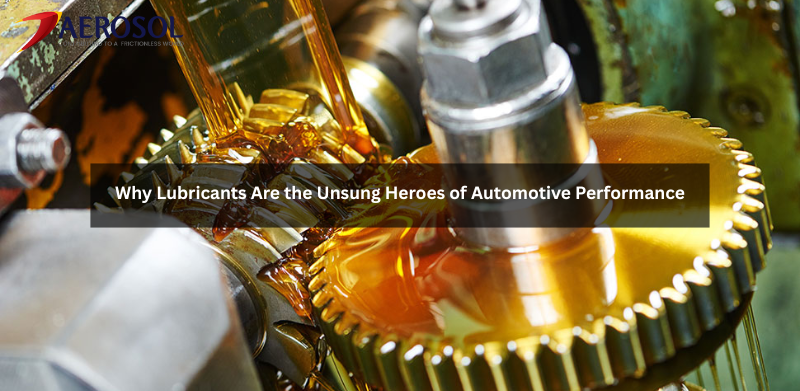
When people think about car performance, they usually focus on engines, horsepower, tires, or fuel efficiency. But there’s one element that often goes unnoticed and yet plays a major role in keeping everything running smoothly: lubricants.
Lubricants are more than just fluids inside your vehicle. They protect, clean, and improve performance in ways that most drivers don’t realize. Without them, even the most powerful engines and advanced designs would fail much sooner. That’s why lubricants can truly be called the unsung heroes of automotive performance.
In this blog, we’ll explore why lubricants matter, how they work, and why choosing the right one makes all the difference.
What Exactly Are Lubricants?
At their core, lubricants are oils or fluids designed to reduce friction between moving parts. They create a thin film between surfaces, preventing direct metal-to-metal contact. But today’s automotive lubricants are far more advanced than simple oils. They are specially formulated with additives that:
- Reduce wear and tear
- Protect against rust and corrosion
- Keep engines clean by carrying away dirt and deposits
- Improve fuel efficiency
- Help engines run at the right temperature
From engine oil to transmission fluids, brake fluids, and coolants, lubricants cover nearly every system in a vehicle.
Why Lubricants Matter for Performance
1. They Reduce Friction
Friction is one of the biggest enemies of performance. Too much friction generates heat, wastes energy, and wears down parts. Lubricants form a protective layer between moving components, making them glide smoothly. This not only improves efficiency but also ensures that the engine delivers consistent power.
2. They Keep the Engine Cool
Engines generate massive amounts of heat. While the cooling system handles most of it, lubricants also play a role. By carrying heat away from critical components and reducing friction, they help keep temperatures in check. This prevents overheating and ensures long-term performance.
3. They Extend Engine Life
Without proper lubrication, engines would suffer from constant wear. Over time, this would lead to breakdowns and costly repairs. A good lubricant minimizes this wear, helping engines last longer and perform better.
4. They Improve Fuel Efficiency
Friction doesn’t just wear out parts—it also makes engines work harder. By reducing friction, lubricants allow engines to run more smoothly and with less effort. The result is better fuel economy, saving money and reducing strain on the engine.
5. They Keep Engines Clean
Dirt, soot, and tiny metal particles build up inside engines during operation. Lubricants carry these contaminants away and trap them in the oil filter. This cleaning function keeps engines free of harmful deposits that can reduce performance.
Common Types of Automotive Lubricants
Not all lubricants serve the same purpose. Different parts of a vehicle require different types of lubrication. Some of the most common include:
- Engine Oil: Protects engine components, reduces friction, and keeps the system clean.
- Transmission Fluid: Ensures smooth gear shifting and protects transmission parts.
- Brake Fluid: Transfers force from the brake pedal to the wheels, ensuring reliable stopping power.
- Coolants: While technically not oils, coolants are fluids that help regulate temperature and prevent overheating.
- Greases: Used in wheel bearings, joints, and other parts that need long-term lubrication.
Each of these plays a role in overall vehicle performance. Ignoring them can lead to reduced efficiency and serious mechanical problems.
Myths About Lubricants
Even though lubricants are so important, there are several common myths about them. Let’s clear up a few:
- Myth 1: All lubricants are the same.
In reality, each lubricant has a unique formulation for specific uses. Using the wrong one can harm performance. - Myth 2: Thicker oil is always better.
Not true. The right viscosity depends on your engine design. Thicker isn’t always safer. - Myth 3: You don’t need to change lubricants often.
Over time, lubricants lose effectiveness and get contaminated. Following the manufacturer’s schedule is key.
The Role of Quality Lubricants
It’s not just about using lubricants, it’s about using the right quality. Low-quality oils break down quickly, fail to protect against extreme conditions, and may even cause damage. High-quality lubricants, on the other hand, are engineered to provide long-lasting protection and performance.
Brands like Aerosol International specialize in developing high-performance lubricants for different types of vehicles and machinery. Choosing trusted brands ensures your engine gets the right balance of protection, efficiency, and durability.
How to Take Care of Lubricants
To get the best performance from lubricants, it’s important to maintain them properly. Here are a few tips:
- Check Levels Regularly: Keep an eye on oil and fluid levels to avoid running low.
- Follow Service Intervals: Change engine oil, transmission fluid, and brake fluid as recommended in your manual.
- Use the Right Type: Always use lubricants that match the specifications given by your vehicle’s manufacturer.
- Replace Filters: An oil filter is just as important as the oil itself. Replace it during every oil change.
- Watch for Leaks: Small leaks can quickly lead to big problems if not fixed in time.
Why Lubricants Are the “Silent Performers”
Unlike flashy car parts or accessories, lubricants don’t get much attention. You can’t see their work, but you feel it every time your car starts smoothly, shifts gears without trouble, and runs efficiently. They silently protect engines from damage and help cars deliver the performance drivers expect.
Ignoring them can lead to engine failure, poor mileage, and expensive repairs. Paying attention to them can add years of life to your vehicle.
Final Thoughts
Lubricants may not be the most exciting part of automotive performance, but they are among the most important. They reduce friction, cool engines, improve fuel efficiency, and extend the life of vehicles. Simply put, they keep everything running as it should.
The next time you think about car performance, remember that it’s not just about horsepower or speed; it’s also about what’s happening under the hood with the help of lubricants.
If you want dependable performance and long-lasting protection, choosing high-quality lubricants from trusted brands like Aerosol can make all the difference. They truly are the unsung heroes keeping your vehicle in top shape.
Leave a Reply